
How to Upsell Landscaping Services Without Being Pushy
Why clients cut landscaping add-ons, what makes a good upsell, and how to present lighting and other upgrades so they stay in the proposal.
By KeSean Fallon
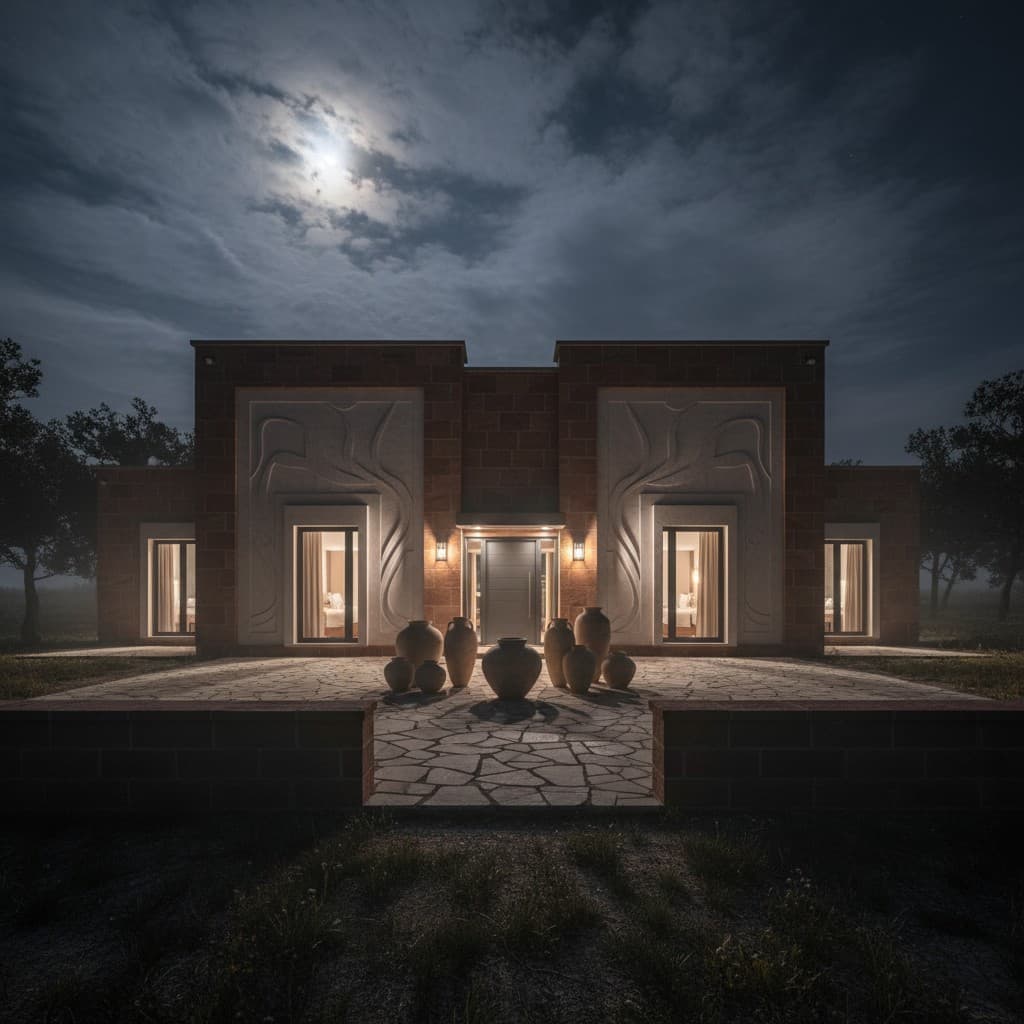
The best way to upsell landscaping services is to offer the add-on that solves a problem the client already has, explain why it matters, and show it on their own property before you price it. Clients cut add-ons they cannot picture; they keep the ones they have already seen finished.
Every landscaper knows the feeling. You put lighting, a seat wall or a planting upgrade on the estimate, and it comes back crossed out. The client did not say no to the idea. They said no to a line item they could not see.
I think one of the most frustrating parts of landscaping sales is watching a homeowner remove an upgrade that would have genuinely improved the project. Take landscape lighting, for example. A contractor might recommend uplighting for mature trees or pathway fixtures around a new patio, only to have the client cross it off when reviewing the total. It's understandable. They're looking at a price for something they haven't experienced yet. But I wonder how differently that conversation would go if they could see their own backyard illuminated before making the decision.
Why do clients cut landscaping add-ons?
Usually for one of three reasons.
They cannot picture it. "Low-voltage landscape lighting, 12 fixtures" means nothing to most homeowners. A line with a price and no picture is the easiest thing on the page to cut.
It looks like padding. If the add-on is not tied to something they asked for, it reads as the contractor trying to grow the ticket.
The total scared them. When the bottom line is higher than expected, the client looks for the items they understand least and removes those first.
The fix for all three is the same: connect the add-on to their goal, and make it visible.
What makes a good landscaping upsell?
The National Association of Landscape Professionals talked to Shawn Edwards, owner of A+ Lawn & Landscape in Des Moines, about upselling (NALP, 2021). A few of his points hold up for design-build work too:
- Match the add-on to the job. Suggest what naturally pairs with the work the client is already buying.
- Educate first. "If you want to sell it, you need to educate them," Edwards told NALP.
- Repeat it when it is relevant. "A lot of times the more they hear it, the more receptive they become."
- Make it easy to say yes. Tiered options and pricing for adding work while crews are already on site lower the barrier.
For a design-build landscaper, the strongest add-ons are the ones that finish the picture: lighting that makes the patio usable at night, a seat wall around the fire pit, planting that softens new hardscape, a pergola over the dining area.
If I were choosing which upgrades to present first, landscape lighting and planting enhancements would be near the top. They complement almost any outdoor project without requiring the homeowner to rethink the entire design. Outdoor kitchens and elaborate fire features are different conversations because they can substantially change the budget. I wouldn't introduce those just to increase the ticket. I'd ask how the family actually uses the space, then show them an upgrade that makes sense for their lifestyle. Relevance sells better than ambition.
How do you present add-ons so they stay in the proposal?
Offer options, not a pile. Richard Cording Sr. of CLC Landscape Design described to Turf Magazine how he proposes the client's "most wanted" items first and lists upgrades separately, so the client sees what each one costs and keeps control (Turf Magazine). That turns an add-on from something to cut into something to choose.
Name the problem it solves. Not "landscape lighting package," but "use the patio after sunset."
Show it on their house. This is the step most proposals skip. Generate one concept of the base project and one with the add-on, from the same photo. With Renderspace a render typically comes back in about 30 seconds, and settings carry over, so the second image changes only the add-on. The client compares their own yard with and without it.
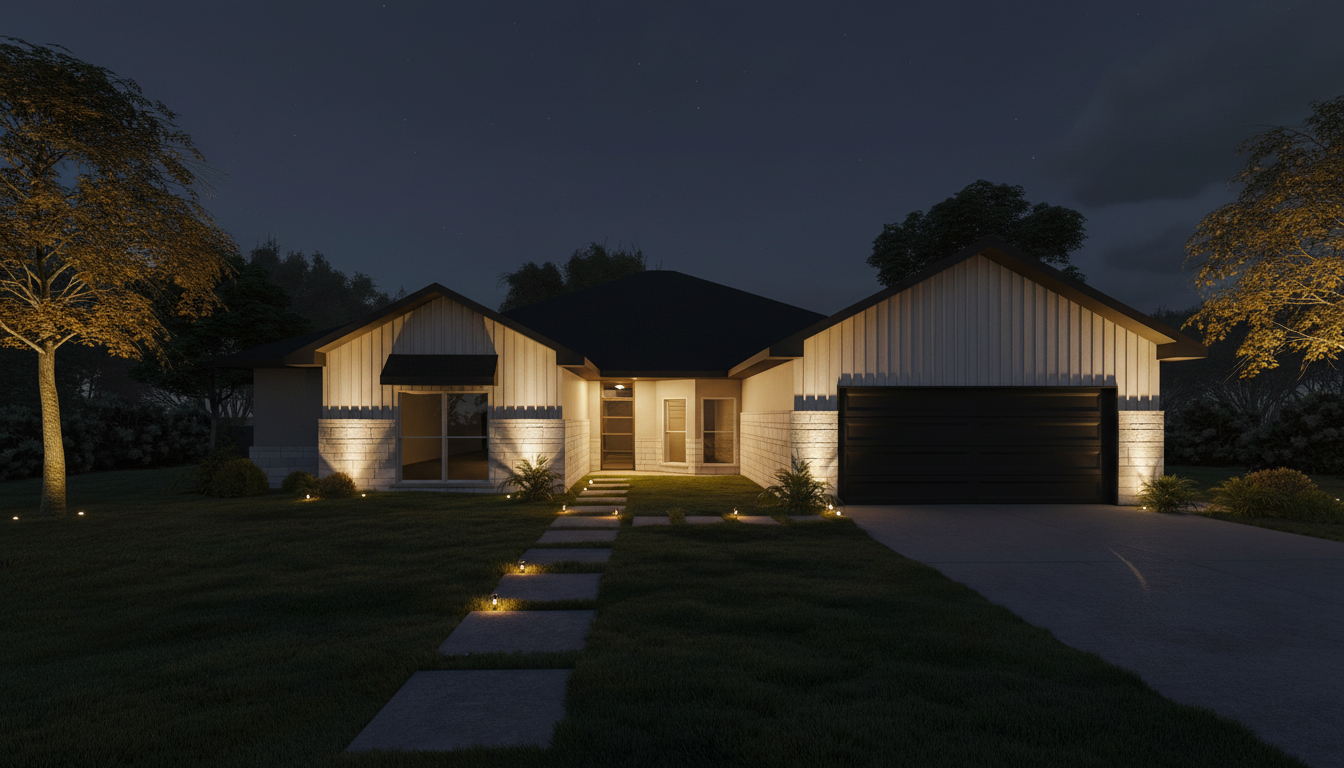
See this concept in the Renderspace gallery
For more on structuring the whole proposal, see visual proposals for homeowners and how to win more landscaping bids without cutting price.
What upselling mistakes cost landscapers the job?
- Upselling before the base project is settled. Get agreement on the main scope first.
- Adding everything at once. Five add-ons at the bottom of an estimate look like a wish list.
- Discounting the core job to make room. Protect the margin on the work they asked for.
- Never bringing it up again. A client who said no to lighting in spring may say yes when the patio is finished and they are sitting on it at dusk.
One mistake I'd caution contractors against is introducing upgrades before establishing why the homeowner needs them. If someone asks for a simple patio and you immediately start pitching an outdoor kitchen, fireplace and premium lighting package, you've stopped listening. I'd settle the original scope first. Then introduce one relevant improvement, explain its benefit and show exactly how it changes their property. Renderspace's custom prompts make that comparison particularly useful because you can describe specific materials, fixtures and landscaping details rather than relying on generic designs.
What this looks like on a real job
Here's exactly how I'd approach the next patio proposal using Renderspace. Say the homeowner wants to replace an aging concrete slab with a limestone patio and a small outdoor dining area.
I'd photograph the backyard from the kitchen door and generate the base concept using their preferred materials. Then I'd create a second version with warm landscape lighting, specifying bronze path fixtures, subtle uplighting on existing trees and integrated lighting around the seating area through custom prompts.
I'd present both images alongside the proposal, with the lighting installation clearly listed as an optional upgrade and priced separately. I'd explain how the additional lighting could improve evening usability, not simply make the yard prettier.
If they prefer the original design, that's fine. If they like the lighting, we can discuss fixtures, installation requirements and the additional cost before they commit.
Frequently asked questions
What are the easiest landscaping services to upsell?
Add-ons that finish the project the client already wants: landscape lighting, fire features, seat walls, planting upgrades and shade structures. They are easiest to sell when they solve a problem the client named.
How do you upsell without sounding pushy?
Tie each add-on to something the client said, offer it as a separate option with its own price, and show it on their property. Then let them choose.
Should add-ons be priced separately?
Listing upgrades separately lets the client see what each one costs and keep control of the budget. It also keeps them from cutting the whole proposal when the total feels high.
The add-on they can see is the add-on they keep
Here is the quiet math of every landscaping estimate. The client reads the total, flinches, and looks for something to remove. They will not remove the patio they have been dreaming about. They will remove the line they cannot picture.
So give them a picture. Their patio, their trees, their house at dusk, with the uplights on. Then the same image without them. Now the lighting is not a line item. It is the difference between two versions of their own home, and they get to choose.
You should not have to choose between an expensive design presentation and a plain written estimate. A good proposal shows the vision as clearly as the price. Fast photorealistic concepts help contractors win bids faster, because homeowners commit sooner when they see their own space finished before the quote.
I built Renderspace because I believe contractors should be able to demonstrate the value of their ideas without turning every suggestion into a sales pitch. When homeowners can see an improvement on their own property, especially with the freedom to adjust specific details, they can decide whether it's worth the investment. That's a much better conversation than arguing over another line item.
Try it on your next proposal. The Intro Plan is $19.99 a week for 40 credits (renews weekly until you cancel), and it works from a phone photo. See every plan on the pricing page.
Rather have the concepts made for you? Human Polish render packs handle it.
Related reading
- Visual Proposals for Homeowners: Show the Finished Job
What a visual proposal is, why homeowners sign sooner when they can see the finished job, and how to build one from a site photo step by step.
- How to Win More Landscaping Bids Without Cutting Price
Why landscapers lose bids they should have won, how to choose and price the right jobs, and how a picture of the client's own yard makes your proposal the easy yes.
- How Landscape Contractors Show Clients a Design Before Construction
Standing in a backyard describing a patio with your hands is a hard sell. Showing the same idea on their actual property, in about 30 seconds, changes the conversation.
- What to Include in a Landscaping Proposal
The eight things a landscaping proposal should include, where the picture of the finished yard belongs, and how to keep the proposal from getting cut.