
How to Win More Landscaping Bids Without Cutting Price
Why landscapers lose bids they should have won, how to choose and price the right jobs, and how a picture of the client's own yard makes your proposal the easy yes.
By KeSean Fallon
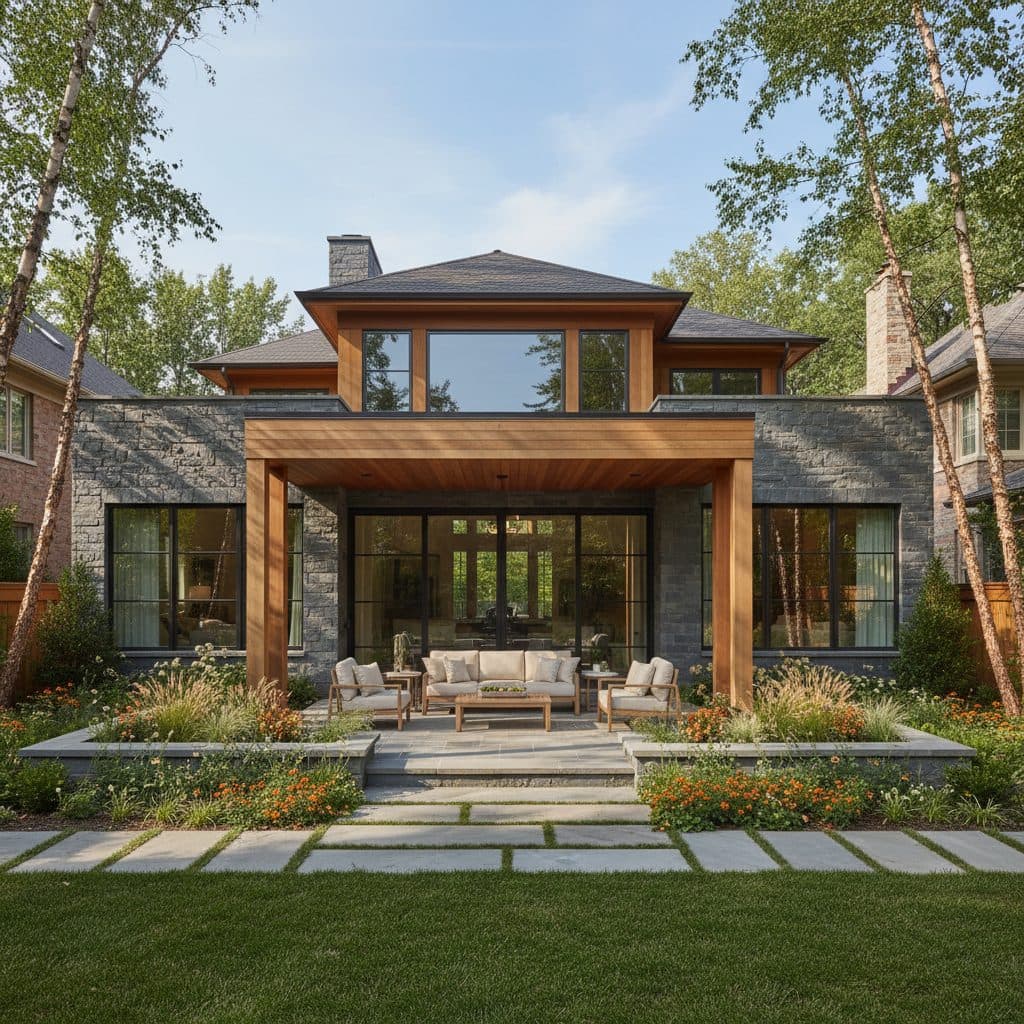
You win more landscaping bids by picking the right jobs, pricing them accurately, and making your proposal the easiest one for the homeowner to say yes to. The fastest way to do that last part is to show the client their own yard finished before they compare your number with anyone else's.
Price matters. But many homeowners are not simply choosing the cheapest bid. They are choosing the one they understand and trust.
A landscaping estimate can be thorough and still leave a homeowner uncertain. One contractor might specify every square foot of paving and every planting bed, while another sends a shorter proposal with a picture that makes the whole project easier to grasp. The issue is not necessarily workmanship or price. It is the mental work the homeowner has to do to understand what will change. If your proposal leaves them translating material descriptions into an imagined backyard, you are making an already expensive decision harder than it needs to be.
Why do landscapers lose bids they should have won?
Usually for one of four reasons.
The wrong lead. Some homeowners already have a plan from someone else and only want a lower number. Referred clients and people who need help with the design are more likely to hire the contractor who helps them.
A vague estimate. If the scope is unclear, the homeowner compares your total with a competitor's total and has no way to see why they differ.
A slow proposal. Interest fades after the site visit. The longer the gap between your walk-through and your quote, the more time the homeowner has to call someone else. (We break down that hidden cost in what late-night rendering really costs before an estimate.)
Nothing to look at. A page of line items asks the homeowner to imagine their yard. Most cannot, so they wait or shop.
How do you choose which landscaping bids to chase?
Not every request deserves a full proposal. Ask a few questions on the first call: how they heard about you, whether they have a design already, what their timeline is, and whether they have a budget range in mind.
Clients who want help deciding what to build are the ones a strong presentation wins. Clients who hand you someone else's plan and ask for a price are mostly shopping. Bid them if you want the work, but do not spend your best hours on them.
How do you price a landscaping job so it holds up?
Measure the site carefully. Estimate labor and equipment hours from your own past jobs, not a gut feeling. Know your direct costs, your overhead and the margin you need, and put them in a spreadsheet or estimating tool you use every time.
An accurate number protects you. A clear, itemized number also helps the homeowner see what they are paying for, which makes it harder for a cheaper bid with less in it to look like the same job.
I wouldn't cut a healthy margin just because another contractor submitted a lower number. You don't know whether they included the same drainage, base preparation, materials or cleanup. Explain your scope instead of apologizing for your price. Better yet, show the homeowner what those choices look like. With Renderspace, you can prompt for specific details, from limestone pavers and cedar pergolas to ornamental grasses and bronze accents. The point is to make the differences visible, not disguise a weak estimate with a pretty picture.
How do you make your proposal stand out?
Lead with the client's own yard, finished.
Take a photo on the site visit from where the homeowner usually looks at the space. Generate a photorealistic concept from it: the new patio, the beds, the lighting, the outdoor kitchen. With an AI rendering tool this takes about 30 seconds, so you can do it before you leave the driveway or while you write the estimate that evening.
Put that image on the first page of the proposal. Then the scope. Then the price. The picture tells the homeowner what they are buying, and the line items explain it.
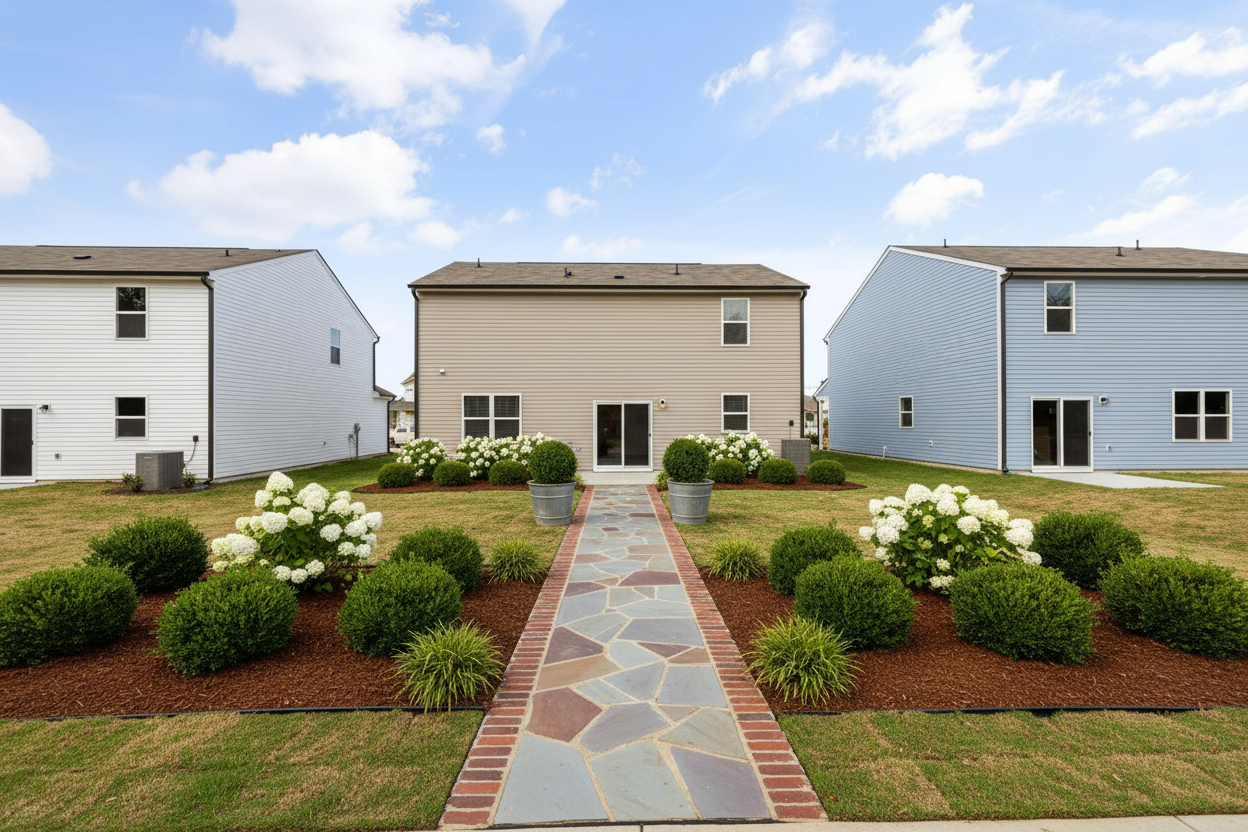
See this concept in the Renderspace gallery
For more on showing the plan early, read how to show landscape clients a design before construction, and compare tools in AI landscape design software for contractors. More examples are in the gallery.
A few more things that help:
- Send it fast. Same day or next day if you can.
- Offer two options, not ten. One that matches the request and one alternative.
- Show proof you can build it. Photos of finished jobs, your license and insurance, and reviews.
- Label the concept honestly. It is a visualization, not a construction drawing.
What this looks like on a real job
Take a backyard proposal involving a tired concrete slab, an uneven lawn and an empty strip along the fence. Before debating the price, the homeowner needs to decide what the space should become. A contractor could photograph the view from the back door and use Renderspace to explore a patio, planted border and shaded seating area on that same property.
The first concept doesn't have to settle everything. Perhaps the homeowner likes the layout but prefers large-format slate over light travertine. They might want sculpted hedges instead of loose flowering plants, or a cedar pergola rather than a metal one. Those aren't reasons to restart the entire conversation. The contractor can describe the changes in a custom prompt and generate another direction.
Once the visual preferences are clearer, the proposal can explain materials, site preparation and costs. The concept supports that discussion; it doesn't establish exact quantities, grades or construction specifications.
Frequently asked questions
What is the best way to win landscaping bids without lowering my price?
Make your proposal easier to understand than the others. Show the homeowner a concept of their own yard finished, keep the scope clear, and send it quickly after the site visit.
Should I include a rendering in every landscaping proposal?
For design-led jobs, yes. If the client needs help deciding what to build, a picture of their yard finished is the most persuasive page in the proposal. For a simple cleanup or a job with a set plan, it matters less.
How fast can I get a landscape rendering for a bid?
With Renderspace, a concept from a job-site photo takes about 30 seconds, typically 20 to 40. Outsourced renderings usually take days.
I respect the contractors who spend their days measuring awkward yards, solving drainage problems and turning scattered homeowner ideas into something buildable. Smaller crews do that work just as seriously as larger companies, even if they don't have a dedicated design department. Renderspace is meant to help them show their thinking, with the freedom to describe particular materials and details.
The homeowner picks the yard they have already seen
Picture the next walk-through. You are standing in the backyard with the homeowner. Patchy grass, a cracked slab, a fence that needs staining. They are telling you what they want, and you can see they are not sure it will come together.
You take one photo. About 30 seconds later you turn your phone around, and they are looking at the same yard with a new patio, planting beds along the fence and lights along the path. Their yard. Not a portfolio shot from a stranger's house.
That is often where the bid turns. You have already shown them the finished space.
Fast photorealistic concepts help contractors win bids faster, because homeowners commit sooner when they can see their own space finished before the quote.
The First Job Test is $19.99 for 40 credits over 7 days, and it works from a phone photo. Use it on your next bid.
If you want a batch of concepts made for you, Human Polish is there for that.
Related reading
- How Landscape Contractors Show Clients a Design Before Construction
Standing in a backyard describing a patio with your hands is a hard sell. Showing the same idea on their actual property, in minutes, changes the conversation.
- AI Landscape Design Software for Contractors: What It Does Well—and What It Doesn't
AI landscape tools are fast at concepts from real photos. They are not site plans, engineered drawings, or permit packages. Here is how to evaluate the category without wasting an afternoon.
- The Hidden Cost of Late-Night Rendering Before a Client Estimate
A Sunday-night estimate prep scene illustrates the real cost of slow visualization — and when self-serve or outsourced production buys the time back.