
Phased Landscape Plans: Keep the Job When Budgets Shrink
What a phased landscape plan is, what goes in phase one, and how to sell, price and show each phase so the client keeps the full design.
By KeSean Fallon
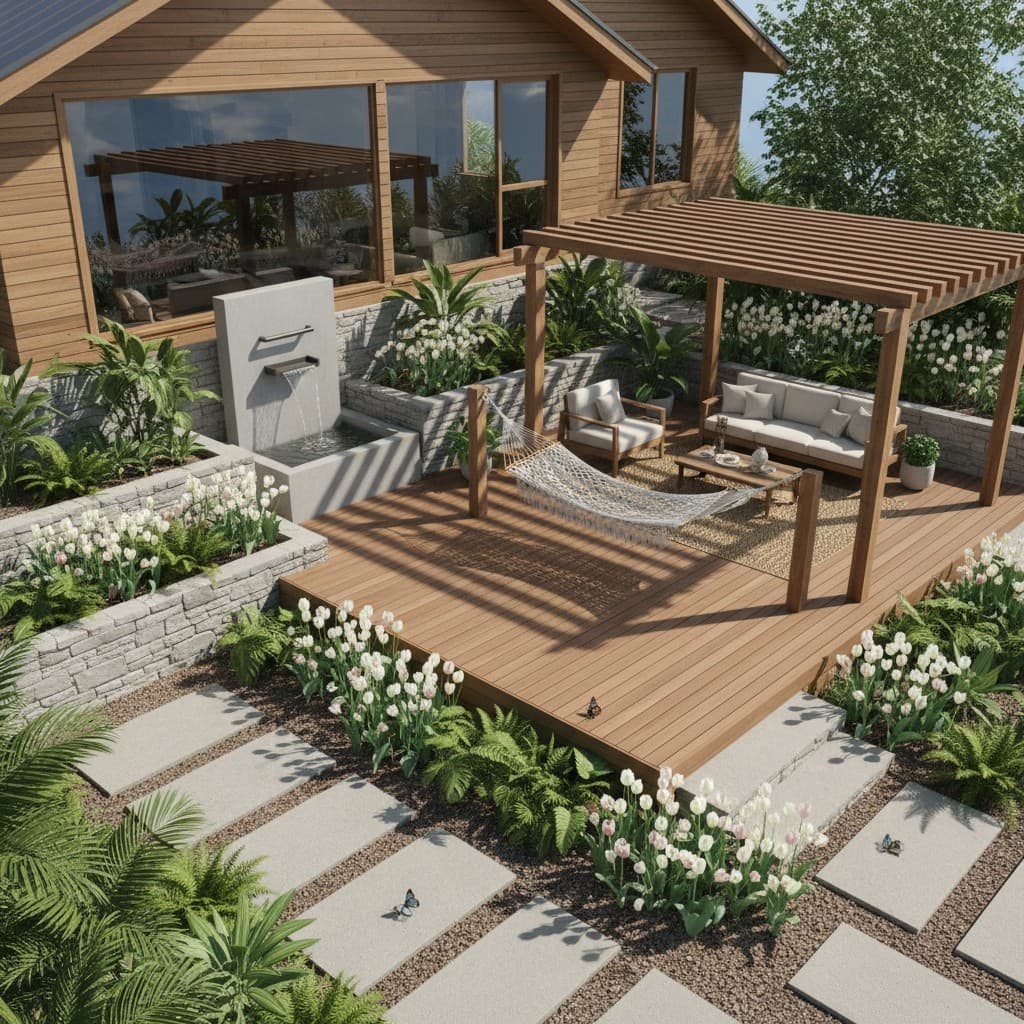
A phased landscape plan is one complete design for the whole property, installed in stages as the homeowner's budget allows. For landscape contractors, it is the best answer to "we love it, but we can't do all of it": instead of cutting the project down, you keep the full vision and agree on what gets built first.
Many landscaping jobs that disappear don't lose to a competitor. They lose to the budget. The client sees the full number, panics, and either cuts the landscaping entirely or asks for "just the lawn for now."
I think one of the most frustrating moments in landscape sales is watching a homeowner get excited about a beautiful design, only to start removing everything that made it special once they see the estimate. First goes the outdoor kitchen. Then the lighting, the stone walkway, maybe even the trees. Before long, you're quoting a project that barely resembles what they originally wanted. The real problem isn't always that they can't afford the vision. Sometimes they just can't afford to build the entire thing at once.
Why do clients cut landscaping from the budget?
Landscaping usually comes last. On a new build it follows the house, the driveway and the furniture. On an existing home it competes with every other project on the list. By the time the client gets to the yard, the budget is tired.
Clients also cut what they can't picture. A line item for "planting beds, 1,200 sq ft" is easy to strike. A view of their own backyard with shade trees, a patio and lighting is much harder to give up.
What is a phased landscape plan?
It is one design, built in steps. The whole property is planned up front so every phase fits the next. As Landscaping Network's guide to phased installation puts it, the plan shows how each element connects above and below ground, and the first crew can stub out the electrical, water or gas lines the later phases will need.
Phasing is not the same as doing less. The client still buys the full vision. They just pay for it over time, and you stay their contractor for every stage.
What should go in phase one, and what can wait?
There is no single right order for every yard, but a few principles hold:
- Grading, drainage and anything underground first. Sleeves for irrigation and wiring under future paving are cheap now and expensive later.
- Trees early. They take the longest to mature, so planting them in phase one gives them a head start. Grades at tree locations should be final before they go in.
- Usable surface next. A patio, lawn or gravel area so the family can use the yard right away.
- Features and finishes later. Outdoor kitchens, fire features, lighting and accent planting can often wait for phase two or three, as long as the infrastructure for them is in place.
The biggest mistake I'd avoid is treating each phase like a completely separate job. You end up installing a patio today, then tearing up part of it next year to run utilities for an outdoor kitchen. That's money wasted and trust lost. Design the entire property first, even if you're only building a fraction of it now. And don't promise today's prices for work that might happen two years from now. Give the homeowner a roadmap, not a guarantee you can't keep.
How do you sell a phased plan without the client feeling short-changed?
Show them the finished yard first. When the client has seen their own property completed, phase one feels like the start of something, not a compromise.
An AI rendering tool lets you take a phone photo of the yard and show a photorealistic concept of the full design in about 30 seconds. In Renderspace, settings carry over between renders, so you can render the finished yard and then a second concept of the same yard with only phase one built, and show them side by side. The client sees exactly what they are getting now and what is coming.
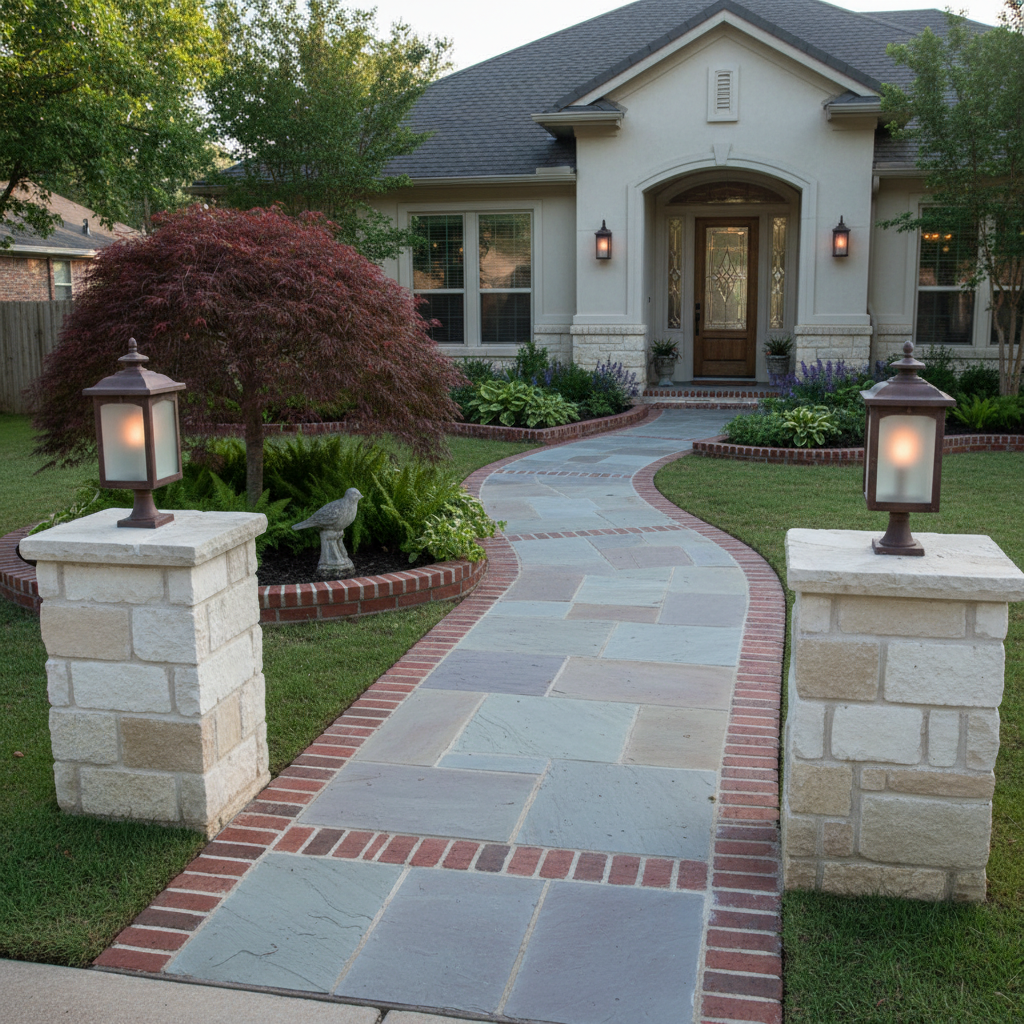
See this front yard concept in the gallery
These are concepts for the sale, not construction drawings. Grades, drainage and dimensions still come from your site plan. For more on getting clients to see the design early, read how landscape contractors show clients a design before construction.
How should you price and write up a phased landscape plan?
- One design for the whole property, clearly labeled with phases.
- A firm price for phase one and estimated ranges for later phases, with a note that later pricing may change.
- What phase one installs to make later phases easier (sleeves, stub-outs, final grades).
- The concept images for the finished yard and for the end of phase one.
Whether you charge for the design itself is its own decision; see should landscapers charge a design fee.
I'd include one sentence in every phased proposal: "Pricing for future phases is preliminary and subject to updated material costs, labor rates and site conditions at the time of installation." Then I'd schedule a follow-up before the current phase is finished. You want the next conversation to feel like a natural continuation of the project, not another cold sales call.
What this looks like on a real job
Here's how I'd approach the next phased landscape project using Renderspace. Say a homeowner wants a limestone patio, an outdoor kitchen, a cedar pergola and landscaped planting beds, but the total estimate exceeds their budget.
I'd photograph the backyard and generate a concept showing the entire finished project. Renderspace's custom prompts would let me specify the limestone finish, pergola materials, outdoor kitchen details and even particular plant varieties.
Then I'd create a second version showing only phase one: the patio, essential grading and infrastructure for future features. A third concept could illustrate phase two with the pergola and outdoor kitchen installed.
I'd present all three together, making it clear which elements are included in each price. The homeowner could see what they're getting today without losing sight of the completed design. Actual phasing would then need to be checked against the construction sequence and budget.
Frequently asked questions
Is a phased landscape plan more expensive overall?
It can be, since each phase has its own mobilization and prices can change between phases. Planning the whole property up front keeps later work from tearing out earlier work, which is where phasing usually gets costly.
How long should a phased plan run?
That depends on the client's budget and the size of the property. The key is that the full design is settled first, so every phase fits.
Can I show clients what each phase will look like?
Yes. With Renderspace, settings carry over between renders, so you can show the finished design and a version with only the first phase built, both on the client's own yard.
Can I use the concepts in proposals?
Yes. Every paid Renderspace plan allows renders in proposals, on your website, on social and in ads. Reselling the images is not allowed. See more examples in the Renderspace gallery.
Sell the whole yard. Build it one season at a time.
The moment that matters is right after the client sees the number. You can feel it at the table. They loved the design ten minutes ago, and now they are looking for something to cross out.
This is where most contractors start cutting. Smaller patio, fewer trees, no lighting. The job shrinks, the client gets a yard they never really wanted, and the next phase never happens.
Try it the other way. Before the number, show them their own yard finished: the trees grown in, the patio, the lights on at dusk. Then show the same yard after phase one. Same photo, about 30 seconds each. Now the question isn't "what do we cut?" It's "what do we build first?" Fast, photorealistic concepts help you win bids faster, and a client who has seen the finished yard has a reason to call you back for phase two.
I built Renderspace because I believe a contractor shouldn't have to abandon a great design just because the homeowner can't afford everything immediately. Show them the complete vision, then use flexible prompts to explore what each phase could look like. A smaller first contract can still be the beginning of a much larger relationship.
Try it on your next design meeting. The Intro Plan is $19.99 a week for 40 credits (renews weekly until you cancel), and it works from a phone photo. Every plan is on the pricing page.
Want the full set of concepts made for you? Human Polish render packs handle it.
Related reading
- How Landscape Contractors Show Clients a Design Before Construction
Standing in a backyard describing a patio with your hands is a hard sell. Showing the same idea on their actual property, in about 30 seconds, changes the conversation.
- Should Landscapers Charge a Design Fee?
The case for and against charging a landscape design fee, how to credit it toward the project, and how a quick concept makes homeowners glad to pay it.
- How to Win More Landscaping Bids Without Cutting Price
Why landscapers lose bids they should have won, how to choose and price the right jobs, and how a picture of the client's own yard makes your proposal the easy yes.