
How to Close a Landscaping Sale on the First Visit
Qualify early, shape the scope with the homeowner beside you, and show them their own yard finished before you leave: how to close a landscaping sale on the first visit.
By KeSean Fallon
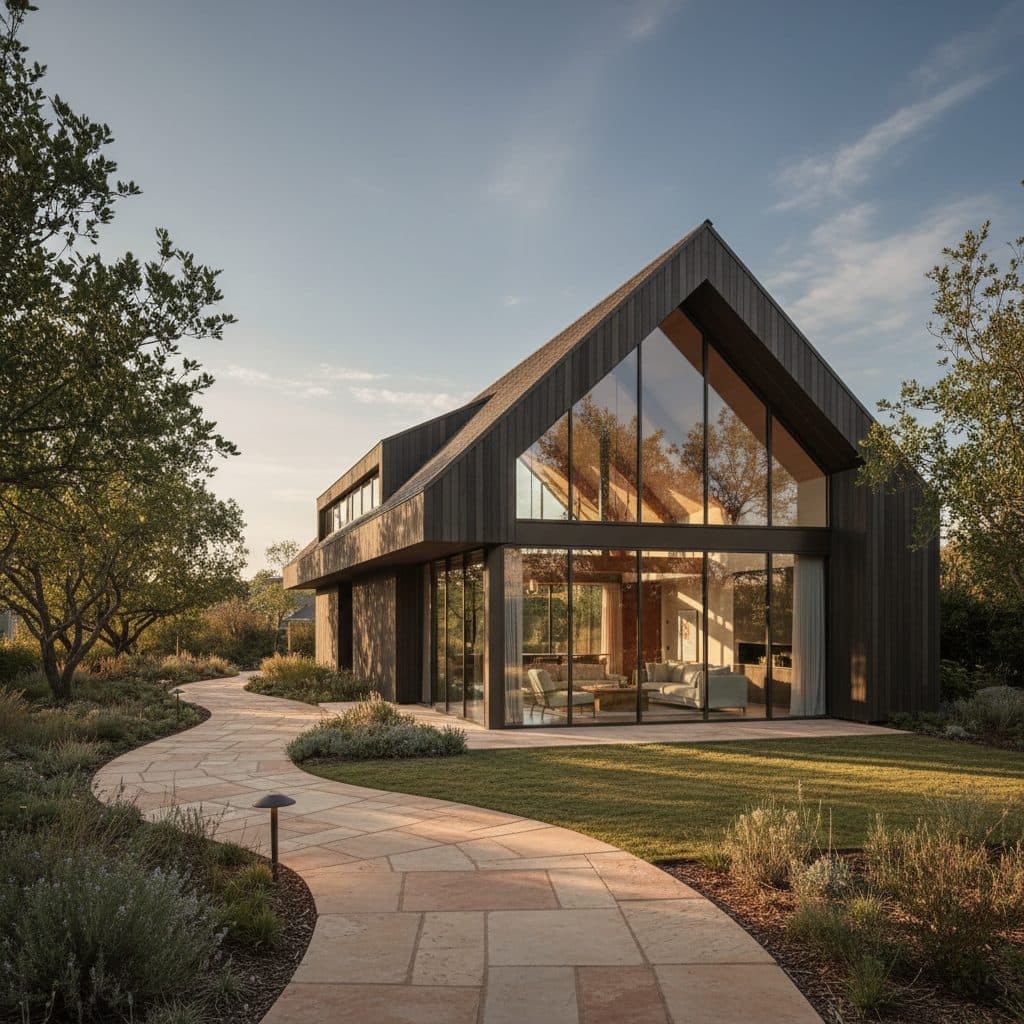
You close a landscaping sale on the first visit by doing three things before you leave the driveway: qualify the budget and timeline, shape the scope with the homeowner standing beside you, and show them their own yard finished so they are deciding on something they can see. Most first visits stall because the homeowner walks away with a price and a promise, not a picture.
That is not about pressure. It is about giving them enough clarity to say yes.
I think one of the most frustrating ways to end a landscaping consultation is hearing, "That sounds great, just send us something." It sounds promising, but what exactly is the homeowner agreeing with? They might love the idea of a new patio without knowing whether they want limestone, flagstone or concrete pavers. Maybe they're imagining something completely different from what the contractor described. When you leave with nothing but notes and a promise to follow up, those unanswered questions leave with you. And the next contractor gets a chance to answer them.
Why do homeowners say "let us think about it" after the first meeting?
Usually because they cannot picture what they are buying. A patio, a pool deck or an outdoor kitchen is a big number attached to a description. Until they can see it, the safe move is to wait.
The National Association of Landscape Professionals asked design-build owners where their sales stall, and three stalling points came up: budget shock, competing bids, and a design that does not quite match what the client wanted. That last one is the quiet killer. As the NALP piece describes it, clients who are not confident in the plan may back out late in the process because they were reluctant to speak up earlier.
A homeowner who cannot see the design cannot tell you what is wrong with it. So they say nothing, and then they say "let us think about it."
What should you do before you arrive?
Qualify the lead so the first visit is a sales call, not a free measuring service. Weston Zimmerman of SynkedUP puts it plainly: the most high-stakes moment of the sales process happens during the consultation, not after.
A few habits from contractors who close well:
- Ask about budget and timeline early. One contractor NALP interviewed says budget should come up during the first meeting, even if final pricing waits on large projects.
- Find out if they are getting other bids. Phil Steinhauer of Designscapes Colorado recommends confirming schedule, budget and competing bids up front.
- Get both decision-makers there. If a couple will decide together, meet them together. Two people often want two different yards.
- Take a photo of the space you will be working in. You will need it on site.
One question I'd ask before scheduling a visit is, "Have you already decided what you want built, or are you still exploring ideas?" That answer tells you a lot. Someone with finalized plans needs an accurate estimate. Someone who wants a beautiful backyard but can't describe it needs help developing the vision. Those are two different sales conversations, and knowing which one you're walking into makes the appointment much more productive.
How do you shape the scope on site?
Walk the yard with them and ask what is fixed and what is flexible. Zimmerman suggests asking which elements are non-negotiable and how they plan to use the space. Wesley Arasmith of Ed Castro Landscape, quoted in the same NALP piece, puts it more simply: let them tell you their story.
Then do the part most contractors skip. Show them.
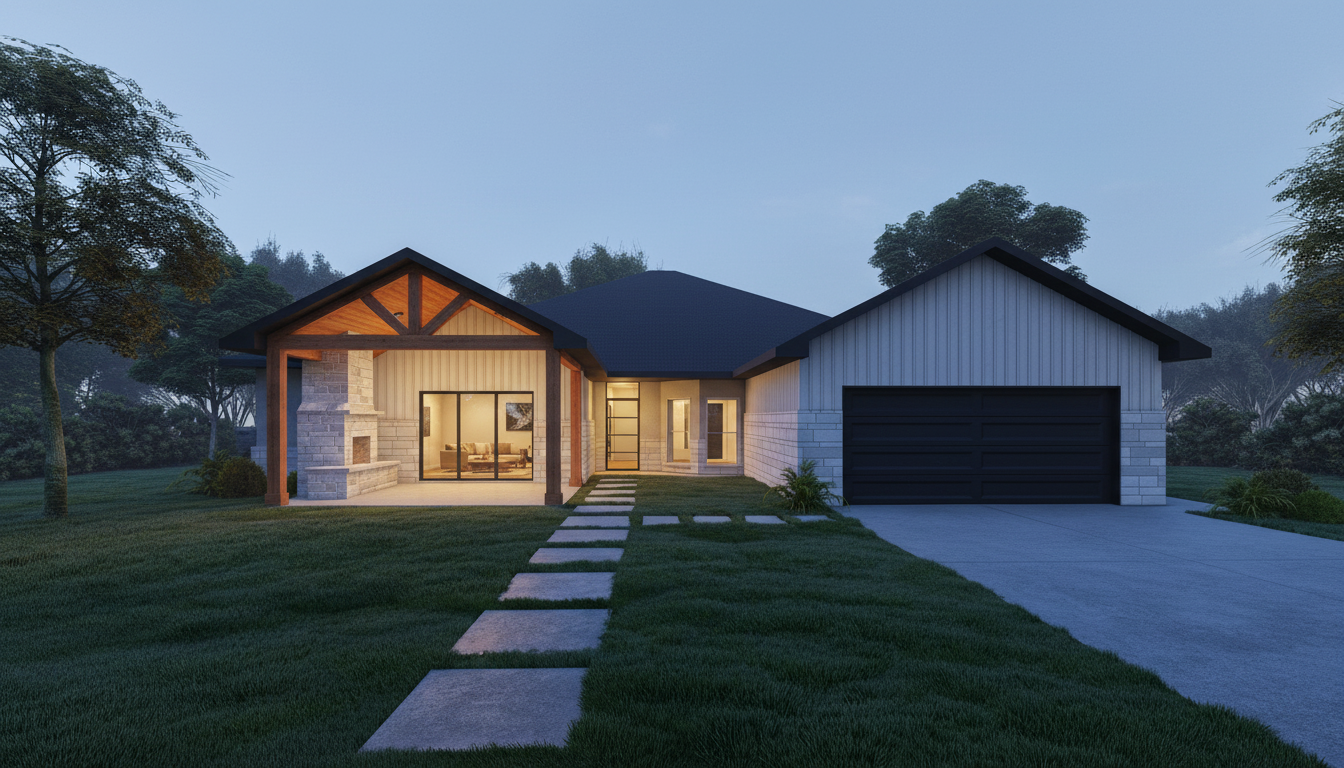
Pull out your phone, take a photo of the area you are standing in, and generate a concept of the patio, pool or kitchen you just talked about, on their real property. With Renderspace that takes about 30 seconds, typically 20 to 40. Because the settings carry over, you can change one thing at a time. If they want flagstone instead of pavers, or the fire pit on the other side, you show that version too, without starting over.
See this concept in the gallery
Now the conversation changes. They are not imagining your description. They are reacting to a picture of their own backyard, and if something is wrong, they tell you while you are still there.
How do you handle price pushback without discounting?
Negotiate scope, not price. Zimmerman's advice is to offer specific changes when a client pushes back: cut a feature, change a material, or phase the project. Dropping the price on the same scope tells them the first number was padded.
Steinhauer's version, from the NALP piece, is to design something that can be installed in phases over several years. A concept makes phasing easier to sell, because the homeowner can see the whole finished yard and agree to start with part of it.
I don't think asking for a signature on the first visit is wrong. Pressuring someone to sign before they understand the project is. There's a difference. If you've discussed the budget, answered their concerns and shown a concept they're genuinely excited about, why artificially delay the decision? But if they're uncertain about the scope or need to consult someone else, respect that. A good salesperson helps people make confident decisions. Rushing someone into a contract they aren't comfortable with usually creates bigger problems later.
What this looks like on a real job
Here's how I'd run the next landscaping consultation using Renderspace. Say the homeowner has an aging concrete patio, an open lawn and a fence they want to soften with landscaping. They're interested in an outdoor entertaining space but haven't decided on the materials or layout.
I'd start by asking how they plan to use the yard, then photograph it from the back door. The first concept might show a limestone patio, cedar pergola, built-in seating and ornamental hedges.
From there, I'd let the homeowner guide the changes. Renderspace's custom prompts make it possible to explore something specific, like replacing limestone with dark slate, adding bronze lighting fixtures or changing the pergola to black steel.
Once we've found a direction they like, I'd discuss the budget and what it would take to develop the concept into a buildable project. If they're ready, we can discuss moving forward. If not, they leave with a clear visual instead of another vague promise.
For more on this, see how to win more landscaping bids without cutting price and visual proposals for homeowners. You can browse real photo-to-concept examples in the Renderspace gallery.
Frequently asked questions
Should you give a price on the first visit?
Talk about budget on the first visit, even if the detailed price comes later. Some contractors wait on final numbers for large projects until they have time to prepare them, but a homeowner who hears no budget conversation at all has nothing to decide on.
How soon should you follow up after a first meeting?
Quickly. SynkedUP recommends confirming the proposal was received and following up within two or three days of sending it. Schedule the follow-up before you leave.
Is an AI concept the same as a design?
No. A concept shows the look on the client's real property so they can react to it. It is not a construction drawing, an engineered plan or a permit set. Use it to win agreement on the direction, then design and price the job properly.
What if the homeowner still wants to think about it?
Let them. Not every first visit should close. Steinhauer told NALP that a client who backs out at the last minute is probably for the best, since the fit may have been wrong, and Rob Ambler of Ambler Industries says you have to accept that you won't win every job. Leave them with the concept so they are thinking about their yard, not your price.
The homeowner who has seen the yard has already started living in it
Think about what a homeowner carries away from most first visits: a stranger's description, a rough number and a promise of drawings later. That is a lot to hold in their head, and they will compare it to the next contractor's description and the next contractor's number.
Now think about what they carry away when you show them their own backyard, finished, before you leave. They have already pictured dinner on that patio. They have already asked for the darker stone and seen it. You are no longer one of three bids. You are the one who showed them the yard.
That is why fast, photorealistic concepts help contractors win bids faster. Homeowners commit sooner when they can see their own space finished before the quote.
I built Renderspace around that moment when a homeowner is deciding whether they trust your vision. Contractors shouldn't have to wait days to show what they're proposing. Give them a way to visualize their own yard, adjust specific details and feel confident about the project before you leave.
Try it on your next first visit. The First Job Test is $19.99 for 40 credits over 7 days, and it works from a phone photo. If you would rather have the concepts done for you, Human Polish render packs are there for that.
Related reading
- How to Win More Landscaping Bids Without Cutting Price
Why landscapers lose bids they should have won, how to choose and price the right jobs, and how a picture of the client's own yard makes your proposal the easy yes.
- Visual Proposals for Homeowners: Show the Finished Job
What a visual proposal is, why homeowners sign sooner when they can see the finished job, and how to build one from a site photo step by step.
- How Landscape Contractors Show Clients a Design Before Construction
Standing in a backyard describing a patio with your hands is a hard sell. Showing the same idea on their actual property, in minutes, changes the conversation.